Alpacas 101: Your Guide to Alpacas, Ownership & More
Welcome to Elderwood Farms — where learning is part of the journey.

Austin performing quarterly alpaca fecal counts.
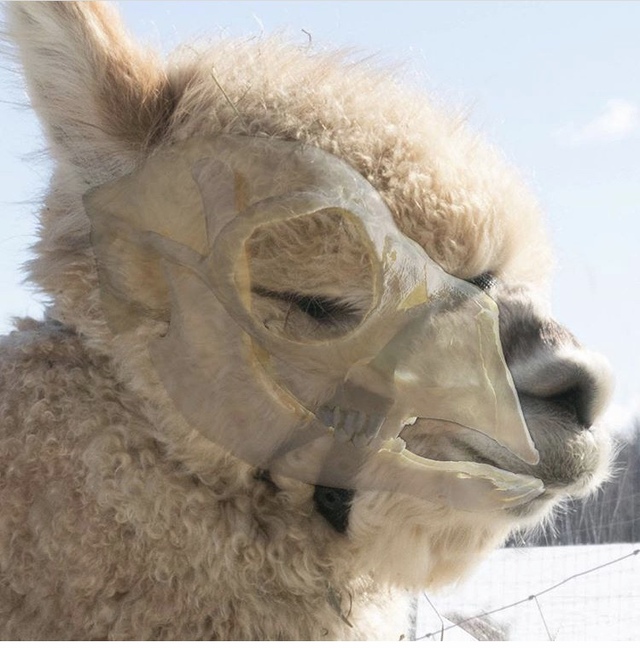
Proper halter fit matters. An alpaca halter should sit high on the nose to avoid restricting the airway.

Our alpacas during their annual professional shearing.
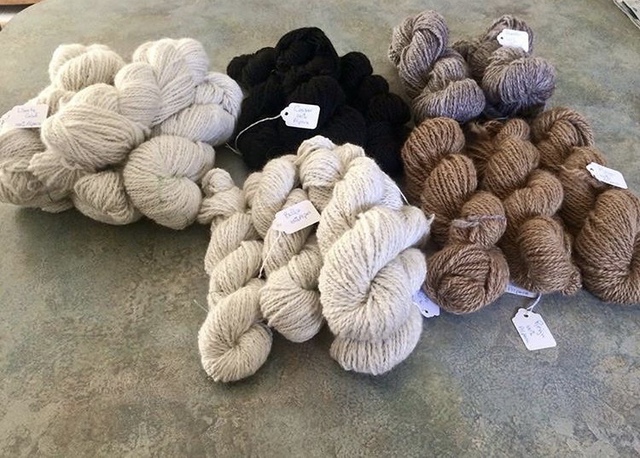
The first yarn ever produced from Elderwood fleece - the beginning of learning what happens after shearing day.

Providing supplemental bottle feeding to a cria when needed.

Hank, one of Elderwood's livestock guardian dogs, helps protect the herd while living and working alongside our alpacas.
Starting Off On the Right Foot
Whether you’re simply alpaca-curious, considering your first animals, or already building a herd, understanding the basics is one of the best places to start.
Alpacas are relatively easy livestock to care for once the right infrastructure, routine, and support are in place - but easy doesn’t mean maintenance-free. They have needs that are distinctly their own, and some of the most important lessons in alpaca ownership begin before the first alpaca ever arrives.
We’ve been raising alpacas at Elderwood Farms since 2012, and much of what follows reflects what we’ve learned along the way. Where appropriate, we also rely on established industry guidance and veterinary resources. Every farm, climate, and animal is different, so consider this a starting point - not a substitute for a relationship with a knowledgeable veterinarian or experienced mentor.
Meet the Alpaca
Alpacas are domesticated South American camelids related to llamas, vicuñas, guanacos, and camels. They were developed over thousands of years primarily for their remarkable fleece and are now raised throughout the world.
A few quick facts:
- Adult weight: Commonly around 100–200 pounds, although individuals vary.
- Height: Approximately 32–39 inches at the shoulder.
- Lifespan: Often 15–20 years with good care.
- Baby alpacas: Called crias.
- Fleece: Alpacas occur naturally in an extraordinary range of colors and patterns.
- Communication: Humming, alarm calls, body language, spitting, and—during breeding—the male’s distinctive orgle are all part of the alpaca vocabulary.
- Bathroom habits: Alpacas commonly establish communal dung piles, which can make pasture and barn cleanup easier than with many livestock species.
There are two breeds of alpaca: Huacaya and Suri.
Huacayas grow dense fleece with recognizable crimp and a fluffy appearance. Suris grow fleece in long, lustrous locks that drape from the body.
Most of the alpacas you currently see at Elderwood are Huacayas.
Alpacas Need Alpacas
This may be the single most important fact a prospective owner needs to know: Alpacas are herd animals.
They depend upon other alpacas for security, communication, social development, and normal herd behavior. A goat, horse, donkey, sheep - or human - does not replace an alpaca companion.
For that reason, Elderwood Farms will not knowingly sell an alpaca into a situation where it will live alone. At minimum, an alpaca should have another compatible alpaca companion, although a small group is preferable whenever possible.
This is particularly important with crias. Young alpacas need the opportunity to learn appropriate alpaca behavior from other alpacas.
Crias Are Not Puppies
We understand the temptation. Few things on earth are cuter than an alpaca cria. But crias are livestock - not house pets.
Unnecessary bottle feeding, excessive handling, and inappropriate human socialization can interfere with normal behavioral development. When supplemental feeding or bottle feeding is medically necessary, maintaining healthy boundaries and appropriate interaction with other alpacas remains important.
Problems associated with inappropriate human socialization have historically been described as Berserk Male Syndrome and are now more appropriately discussed as Aberrant Behavior Syndrome (ABS).
We’ll explore that subject separately in greater detail, but the takeaway is simple: Love the cria. Care for the cria. Let the cria learn how to be an alpaca.
What Are Alpacas Actually Like?
Around Elderwood, we’ve jokingly described them as cat-rabbits.
They’re curious enough to investigate what you’re doing, cautious enough to reconsider the entire situation approximately two seconds later, and frequently interested in affection entirely on their own terms.
Some alpacas genuinely enjoy interaction with people. Others would prefer that you admire them from a respectful distance. Personalities vary tremendously.
They’re intelligent, observant, routine-oriented animals, and they learn quickly. With patient handling, most can learn to halter, lead, load into a trailer, stand for routine care, and participate calmly in everyday farm life.
But if you’re imagining an animal that follows you around begging for head scratches like a Labrador, an alpaca may surprise you. And that’s part of what makes them alpacas.
Before Alpacas Come Home
One of the easiest ways to make alpaca ownership harder than necessary is to buy the animals first and figure out the farm afterward.
Your fencing, shelter, water, feeding areas, handling space, veterinarian relationship, and basic care plan should ideally be established before your alpacas arrive.
Shelter
Alpacas generally don’t require elaborate barns.
A well-designed three-sided shelter or run-in can provide adequate protection in many climates as long as animals have access to shade, ventilation, protection from severe weather, and a dry place when conditions require it.
Your particular climate matters.
Here in Tennessee, heat management is especially important.
Shade and good airflow are essential during hot weather. Fans can provide additional cooling, and access to clean drinking water should never be compromised.
When using water for active cooling, focus on areas where heat can dissipate effectively, such as the belly and other relatively fiber-free areas. Saturating the heavy fleece of an unshorn alpaca can actually interfere with heat dissipation.
Recognizing heat stress—and having a plan for responding to it—is an important part of alpaca ownership.
Fencing
Alpacas generally aren’t determined fence challengers, but good fencing serves another important purpose:
It keeps other animals out.
Loose and domestic dogs can pose a serious threat to alpacas, particularly crias and smaller animals.
At Elderwood, we prefer no-climb horse fencing because its smaller openings help reduce the likelihood of animals putting heads or limbs through the fence while also providing a physical barrier against potential predators.
Different farms successfully use different fencing systems. Whatever you choose should be safe, strong, appropriately sized, and inspected regularly.
Pasture & Space
There’s no universal number of alpacas that can live on an acre.
Pasture quality, soil, rainfall, climate, drainage, forage species, supplemental hay, parasite pressure, and rotational management all affect carrying capacity.
Rather than beginning with “How many alpacas can I fit?”, begin with:
“How many alpacas can this property support well?”
We also strongly recommend planning a catch area or smaller handling space. You will eventually need to catch an alpaca for veterinary care, toenails, medications, shearing, transport, or another routine task—and chasing one around a large pasture isn’t fun for you or the alpaca.
Feeding Alpacas
The foundation of alpaca nutrition is forage.
Good-quality pasture and/or hay should make up the majority of the diet, with constant access to clean, fresh water.
Nutritional requirements change with age, body condition, pregnancy, lactation, growth, weather, forage quality, and health. That’s one reason we don’t recommend copying another farm’s feeding program ounce-for-ounce.
Hay
Quality matters more than simply choosing a particular grass.
Good hay should be palatable, appropriately nutritious, and free from mold, excessive dust, toxic plants, and contamination.
At Elderwood, orchard grass is one forage we commonly use, but appropriate hay varies considerably by region and availability.
Feed & Minerals
Many farms supplement forage with an alpaca- or camelid-appropriate feed and mineral program.
At Elderwood, we use Nutrena alpaca feeds and Glengary Camelid Mineral, adjusting nutrition when necessary for the individual animal.
That’s what works within our management program—not a declaration that every farm must use the same products.
Be particularly careful when feeding products intended for other livestock. Certain ingredients and medications commonly incorporated into feeds for other species—including some ionophores—can be dangerous or fatal to camelids.
When in doubt, don’t guess. Work with a veterinarian, camelid nutrition resource, or knowledgeable breeder.
Everyday Alpaca Care
Once a good routine is established, much of alpaca husbandry becomes surprisingly manageable.
Shearing
Alpacas need to be shorn every year.
Shearing isn’t simply cosmetic or about harvesting fleece. Removing the previous year’s fiber is an important part of heat management and animal welfare.
Shearing season varies with geography and climate. At Elderwood, our animals are typically shorn in the spring before the hottest part of the Tennessee summer.
A skilled professional shearer can also make the process considerably safer and more efficient for both animals and handlers.
And don’t forget the fleece! Depending on quality and preparation, alpaca fiber can be processed into yarn, roving, felt, rugs, garments, household products, and much more. If you are interested in raw alpaca fleece, explore Elderwood's Shear-and-Share.
Toenails
Alpaca toenails require regular inspection and trimming as needed.
How quickly they wear depends on the individual animal, terrain, age, and management conditions. Some alpacas need attention more frequently than others.
Teeth
Dental health should also be monitored.
Alpacas have lower incisors that meet an upper dental pad, and improper wear or alignment can occasionally require correction. Mature males may also develop prominent fighting teeth that need appropriate management.
Dental concerns are another good reason to establish routine veterinary care rather than waiting for a problem.
Health, Parasites & Preventive Care
One of the best things a new alpaca owner can do is establish a relationship with a veterinarian before an emergency happens.
Not every veterinarian routinely treats camelids. Look for one with camelid experience—or one who is genuinely willing to learn and consult appropriate resources.
Alpacas can be remarkably stoic. Like many prey species, they may not advertise illness early, making observation extremely important.
Learn what’s normal for your animals. Changes in appetite, body condition, behavior, manure, movement, breathing, posture, or interaction with the herd can all be reasons to investigate further.
Parasites
Internal parasites are an important management consideration for alpacas, and parasite pressure varies considerably by geography and farm conditions.
At Elderwood, we use fecal testing as part of our parasite-management program rather than automatically deworming every animal on a fixed schedule.
Why? Unnecessary treatment contributes to anthelmintic resistance, making dewormers less effective when they’re actually needed.
Your veterinarian can help establish a parasite-control program appropriate for your property and region.
Meningeal Worm
In areas inhabited by white-tailed deer, alpacas can be exposed to the parasite commonly known as meningeal worm or P. tenuis.
Because prevention strategies and parasite risks vary geographically—and because indiscriminate use of dewormers carries its own concerns—we recommend discussing an appropriate prevention program with a camelid-knowledgeable veterinarian rather than relying on a universal internet protocol.
Learn more about Meningeal Worm Prevention, Treatment, and its distinct seperation from gastrointestinal parasties.
Alpacas, Heat & Weather
Alpacas evolved in an environment very different from a Tennessee summer.
Heat management therefore deserves more than a passing mention.
Good summer management can include:
- Annual shearing before sustained hot weather
- Constant access to shade and clean water
- Strong ventilation and fans where appropriate
- Avoiding unnecessary stress during extreme heat
- Appropriate cooling methods
- Watching high-risk animals especially closely
Owners should learn the signs of heat stress and know when veterinary intervention is necessary.
Cold weather presents different challenges. Healthy adult alpacas with appropriate fleece generally tolerate cold quite well when they have protection from wind and precipitation, while newborn crias, compromised animals, and seniors may require additional support.
Rather than relying on one temperature rule, evaluate the whole animal and the whole environment.
Breeding Basics
Alpaca reproduction is fascinating - and a little different from many familiar livestock species.
Female alpacas are induced ovulators, meaning mating initiates the hormonal process that leads to ovulation. Their reproductive physiology involves follicular waves rather than the simple reproductive cycle many people associate with other domestic animals.
Gestation is approximately 11 to 12 months, and alpacas overwhelmingly give birth to a single cria. Twins can occur, but they are uncommon and aren’t considered desirable.
Females may become reproductively active before they are physically mature enough to breed responsibly. Breeding decisions should consider age, size, body condition, health, development, pedigree, and the goals of the breeding—not simply whether pregnancy is biologically possible.
Breeding-age males and females should therefore be housed separately except during intentionally managed breeding.
And a female rejecting—or “spitting off”—a male can be a behavioral clue after breeding, but it isn’t a substitute for pregnancy confirmation.
Breeding alpacas should always be intentional.
Registration & the Alpaca Owners Association
If you’re considering purchasing alpacas, you’ll probably encounter the Alpaca Owners Association (AOA) quickly.
AOA maintains the primary U.S. alpaca pedigree registry, supports DNA-validated parentage, administers the AOA show system, and provides education and other resources for alpaca owners.
Registration creates a permanent pedigree record and becomes particularly important for anyone interested in breeding, showing, evaluating pedigrees, or maintaining the long-term traceability of a herd.
At Elderwood, registration and accurate records are an important part of our breeding program.
For current registration requirements, programs, and membership information, we recommend going directly to AOA rather than relying on information that may become outdated.
Alpacas Are Livestock—But They’re Their Own Kind of Livestock
One of the things we hear frequently from prospective owners is: “I’ve raised horses.”
Or goats. Or sheep. Or cattle.
That’s useful experience. It means you probably already understand fencing, hay, manure, weather, veterinary bills, and the remarkable ability of an animal to find the one thing on your property capable of injuring it. But it doesn’t automatically mean you know alpacas.
Alpacas have their own nutritional considerations, parasite concerns, reproductive physiology, behavioral needs, handling considerations, and health risks.
Can alpacas live on a diversified farm? Absolutely. Ours certainly do.
But different species shouldn’t simply be combined because they all happen to eat grass. Feed compatibility, fencing, parasite transmission, mineral needs, predators, injuries, biosecurity, and social behavior should all be considered.
Learn the alpaca - not just livestock.
What About Alpaca Fleece?
The fleece is one of the things that makes an alpaca extraordinary.
Quality alpaca fiber can combine softness, warmth, brightness, strength, and versatility—but not all fleece is the same.
You may hear breeders discussing: micron, uniformity, standard deviation, density, staple length, architecture, brightness, fineness, medullation, histograms, and EPDs.
Don’t worry. You aren’t expected to know what all of that means on day one.
Understanding fleece becomes particularly important when selecting breeding or fiber animals, evaluating show results, or comparing alpacas.
Learn More About Alpaca Fleece
Before You Buy an Alpaca
There is much more to choosing an alpaca than picking the cutest face in the pasture.
What do you want your alpacas to do?
Are you interested in:
- Companionship?
- Fiber?
- Showing?
- Breeding?
- A small farm business?
- A competitive breeding program?
- Or simply sharing your property with animals you’ve fallen in love with?
There isn’t one correct answer. But your answer should influence which alpacas you buy.
The right animals for one new owner may be completely wrong for another. That’s why we encourage prospective owners to learn first, establish their goals, prepare their property, and then build the herd around those goals.
Continue Reading: Before You Buy Alpacas
You Don’t Have to Learn Alone
This may be the most important lesson we’ve learned since buying our first alpaca: There is always something else to learn.
No breeder knows everything. No farm has encountered every situation. And alpacas have an impressive ability to eventually present you with something you’ve never seen before.
Good owners ask questions. Good breeders keep learning. And good mentors don’t disappear after the sale.
Education has always been an important part of Elderwood Farms. Buyers receive ongoing support, and our START ME UP mentorship program was created for people who want more structured help establishing their farm, developing their herd, and navigating alpaca ownership.
Whether you eventually purchase an alpaca from us or simply learn something useful while you’re here, we hope these resources help you make informed decisions and enjoy the animals as much as we do.
Trusted Resources
Alpaca Owners Association (AOA)
Registration, showing, education, research, and industry information.
AOA Alpaca Handbook
A detailed reference covering housing, nutrition, husbandry, reproduction, parasites, fleece, cria care, and more.
University of Tennessee College of Veterinary Medicine and the University of Mississippi
Particularly valuable to us because its camelid education and veterinary resources are relevant to owners in our region.
Merck Veterinary Manual
Veterinary reference information for llama and alpaca health and management.
One last thought from Elderwood
Alpacas aren’t difficult because they’re alpacas. They’re difficult when people purchase them before learning how to care for them.
Give them appropriate companions, good forage, clean water, safe fencing, shelter, preventive care, annual shearing, room to be alpacas, and people willing to keep learning.
You don’t have to know everything before you begin. You just need to be willing to learn - and know where to turn when you don’t know the answer.
Monday, September 7, 2026
Featured Items